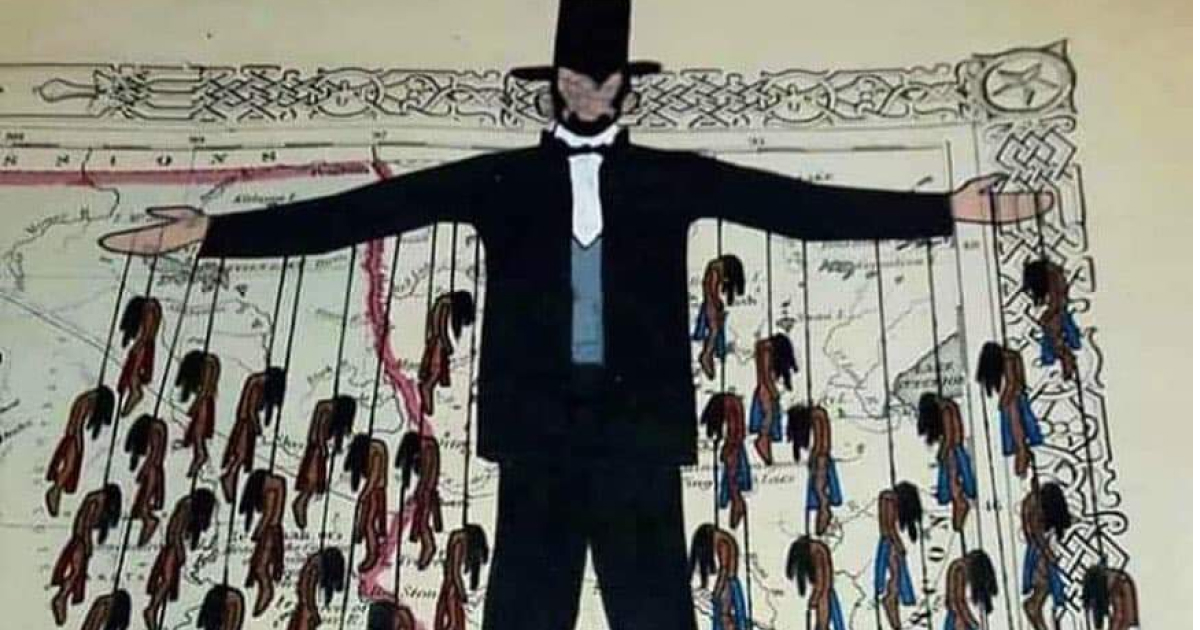
1862

The Dakota War and Lincoln’s Order

The U.S. government had signed two treaties with the Dakota in the 1850s — the 1851 Treaties of Traverse des Sioux and Mendota — taking 24 million acres in exchange for cash payments, food, and a strip of reservation along the Minnesota River. By 1862 the payments were late, the food rations were rotten or stolen by Indian agents, and the Dakota were starving. In August a trader named Andrew Myrick was asked to extend credit. According to a Dakota witness, his reply was: “If they are hungry, let them eat grass.” Within a week, the Dakota War had begun.

Conflict & Transformation 3 min read · April 28, 2026 · Editorial Team

“Anxious not to act with so much clemency as to encourage another outbreak on the one hand, nor with so much severity as to be real cruelty on the other, I caused a careful examination of the records of trials to be made.”

— Abraham Lincoln to the U.S. Senate, December 11, 1862, on reviewing the Dakota War death sentences

The Dakota War began on August 17, 1862, when four young Dakota men killed five white settlers in Acton Township, Meeker County, in central Minnesota. The next day, war chief Taoyateduta (Little Crow), who had argued against war, agreed to lead a coordinated attack on the Lower Sioux Agency. Over the next six weeks, Dakota forces attacked white settlements across the Minnesota River valley. Between 358 and 800 white settlers and soldiers were killed; the toll is disputed because many records were destroyed. Approximately 70-100 Dakota died in the fighting. By late September, federal forces had broken the resistance at Wood Lake.

The war crimes trials began September 28, 1862, at the Lower Sioux Agency. A five-man military commission tried 392 Dakota men, conducting some trials in less than five minutes each. The Dakota defendants had no defense counsel. Most spoke no English. By November the commission had sentenced 303 men to death and 16 to imprisonment. The trial records were sent to President Lincoln for review — federal law required presidential approval of military commission death sentences.

Lincoln assigned two assistants to review the trial transcripts case by case. He wanted to distinguish between those who had massacred civilians and those who had fought against soldiers. The review took nearly a month. On December 6, 1862, Lincoln signed an order approving the execution of 39 men. One man received a last-minute reprieve when his testimony showed he had saved a white family. The remaining 38 were marked for hanging on the morning of December 26 in Mankato.

A single platform was built to hang all 38 men simultaneously. An estimated 4,000 spectators gathered around the gallows on the morning of December 26, 1862. The condemned sang a Dakota death song as the platform dropped at 10:15 a.m. It remains the largest mass execution in United States history. Two of the men were executed by mistake — case mix-ups in the rushed trial records that the review missed. One body was later stolen for medical dissection; the others were buried in a mass grave on the Minnesota River bank, then washed downstream by spring flooding.

In April 1863 Congress voided the Dakota treaties, declared all reservation land in Minnesota forfeit, and ordered the remaining Dakota people removed to a reservation in present-day South Dakota. Some died in the winter march; many more died of disease at Crow Creek. The 1,300 Dakota women, children, and elders held at Fort Snelling through the winter of 1862-63 lost roughly 300 to measles and exposure. The Dakota War, the rapid trials, the mass hanging, and Lincoln’s role in it remain documented but rarely taught. The Mankato 38 are still commemorated annually by Dakota descendants at the December 26 anniversary.

Historical Record
Period
1862
Category
Conflict & Transformation
Archive
America 250 — 1776–2026
Share this story
Continue Reading

More from Conflict & Transformation

All Conflict & Transformation →
1803

The Louisiana Purchase

On April 30, 1803, France sold 828,000 square miles for $15 million. Napoleon needed cash; Jefferson doubled the country. The land was already inhabited by dozens of nations.

1838–1839

The Trail of Tears

Between 1838 and 1839, the federal government forced 16,000 Cherokee from their ancestral lands to Indian Territory. Roughly 4,000 died on the 5,043-mile march.

1861–1865

The Civil War

Four years of war, roughly 750,000 dead — historian J. David Hacker’s revised estimate. Ended at Appomattox on April 9, 1865. Reconstruction lasted twelve.

Explore More Stories